Class 10 Communication Skills Notes | Complete CBSE Employability Skills Guide
Class 10 Communication Skills Notes | Quick Revision for Board Exams
Want to score well and understand every concept easily?
This Class 10 Communication Skills Notes are comprehensively designed to help you revise all key points quickly, improve understanding, and build complete concept clarity for CBSE boards.
This notes of Communication Skills Class 10 is prepared with great care by subject experts, keeping all important concepts in mind and strictly following the standard CBSE Employability Skills syllabus for Class 10 prescribed for this year.
🟢 Session 1: Methods of Communication
💬 What is Communication?
- The word communication comes from Latin word commūnicāre, meaning “to share.”
- Communication means sharing information effectively between people.
⚙️ Parts of Communication
- Transmitting: Sender conveys message through one medium or another.
- Listening: Receiver understands message.
- Feedback: Receiver responds back their understanding to sender.
🔄 Elements of Communication
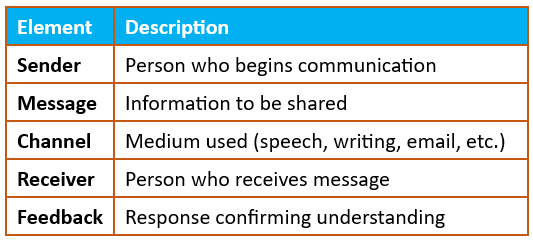
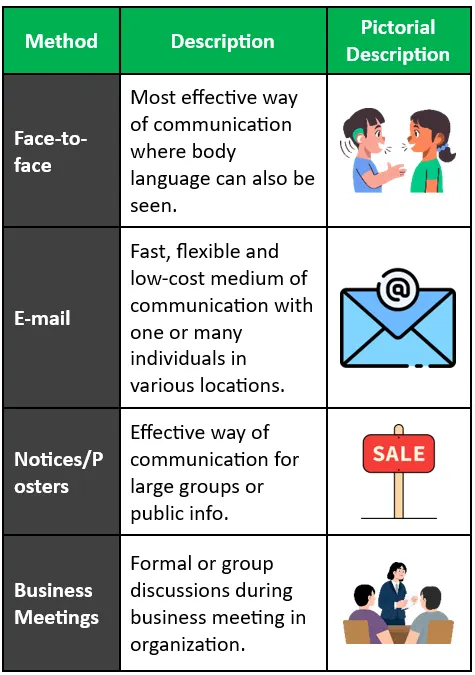
📡 Common Methods of Communication
🟣 Session 2: Verbal Communication
💬 What is Verbal Communication?
- It includes sound, words, language and speech.
- Helps in expressing our ideas and emotions effectively.
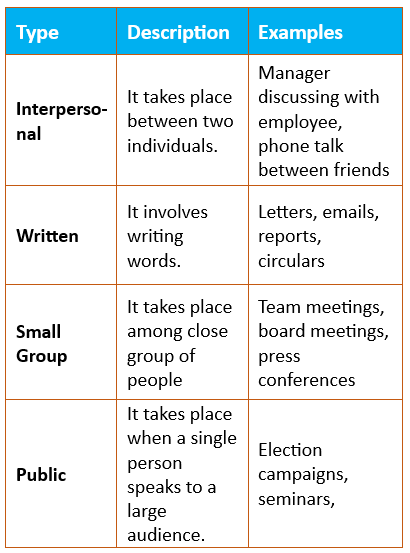
🗣️ Types of Verbal Communication
✅ Advantages of verbal communication
- Easy and quick mode of communication
- Allows immediate feedback
- Flexible — can adjust interaction as per response.
⚠️ Disadvantages
- It can sometimes be confusing and hard to understand if the appropriate words are not used.
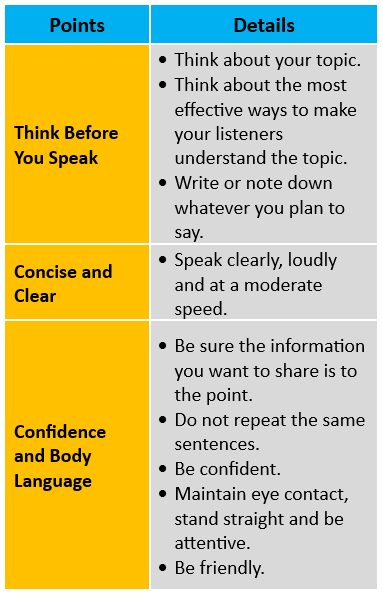
🏆 Mastering Verbal Skills
CBSE Class 10 Employability Skills: Communication Skills Notes
🟡 Session 3: Non-Verbal Communication
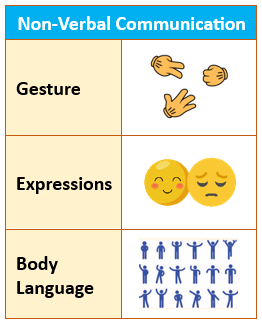
📝 Non-Verbal Communication
- Communication without spoken or written words using expressions, gestures, posture, eye contact, touch, and para language etc.
📊 Importance of Non-Verbal Communication
In our day-to-day communication
- 55% communication is done using body movements, face, arms, etc.
- 38% communication is done using voice, tone, pauses, etc.
- Only 7% communication is done using words.
Around 93% of communication is non-verbal.
🌈 Types of Non-Verbal Communication
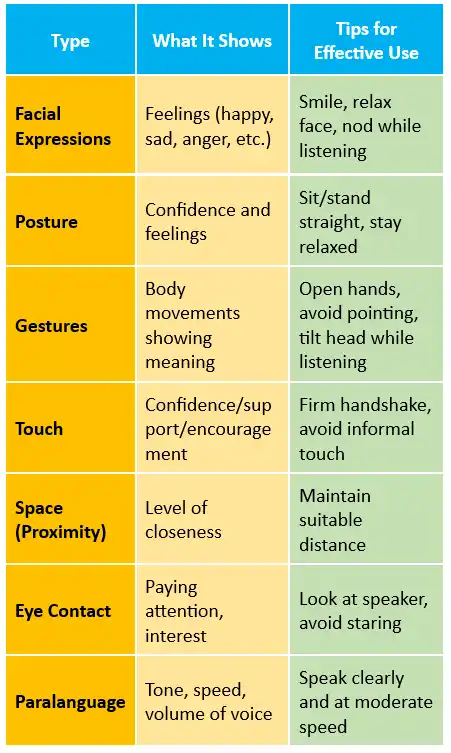
🖼️ Visual Communication
- Use of images, symbols, signs to share message without language.
- Examples: Traffic signs, safety symbols, CCTV warning, “No Entry” board.
- Effective because it does not require any language.
CBSE Class 10 Communication Skills Notes for CBSE Exam preparation
🔵 Session 4: Communication Cycle & Importance of Feedback
🔁 Communication Cycle
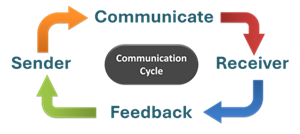
📋 Feedback
- Feedback is the receiver’s response showing they understood the message.
- It helps the sender know how effectively the message was received.
- Feedback improves performance and can be positive or negative.
A good feedback is always
- Specific
- Helpful
- Kind
🌈 Types of Feedback
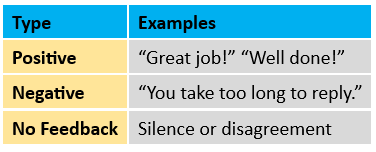
🎗 Features of Good Feedback
- Specific: Clear and supported with examples
- Timely: Given promptly after the performance
- Polite: Respond in respectful manner
- Supportive: Continuous help offered
🌟 Importance of Feedback
- It ensures effective listening
- Builds motivation and trust
- Encourages learning
- Improve performance
Class 10 Communication Skills Notes | Complete Study Guide
🟠 Session 5: Barriers to Effective Communication
✅ Effective Communication
- Must follow the 7 Cs:
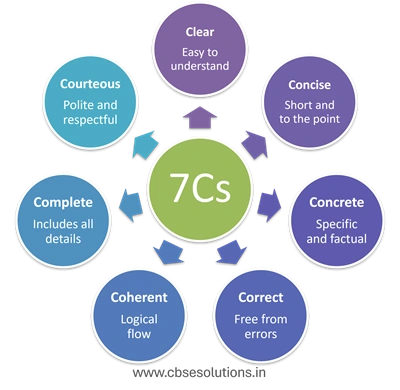
🥅 Barriers to Communication
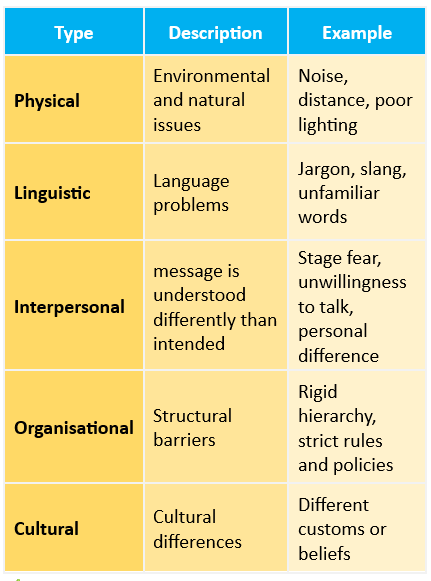
🎿 Overcoming Barriers
- Use simple language
- Respect other cultures
- Prefer to communication in person
- Use visuals
- Get help from translators if needed
- Be respectful of other’s opinion
Communication Skills Notes Class 10 | Complete CBSE Employability Skills Notes
🔴 Session 6: Writing Skills – Parts of Speech
🔠 Sentences & Phrases
- Sentence: Group of words that make complete meaning.
- Example → Raju goes to school
- Phrase: Group of words that does not make complete meaning.
- Example →Raju goes to school
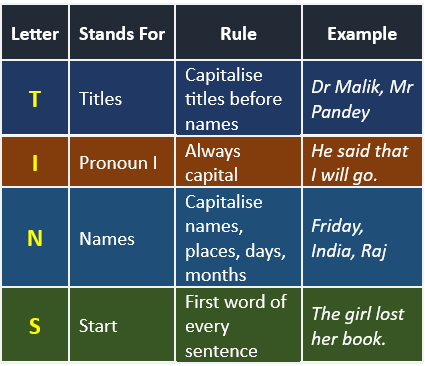
🅰️ Capitalisation – “TINS” Rule
❗️Punctuation
- There are 15 punctuation marks or signs used.
- These are: full stop, comma, question mark, exclamation mark, apostrophe, colon, semi-colon, dash, hyphen, parenthesis, quotation marks, bracket, brace, ellipsis, bullet point.
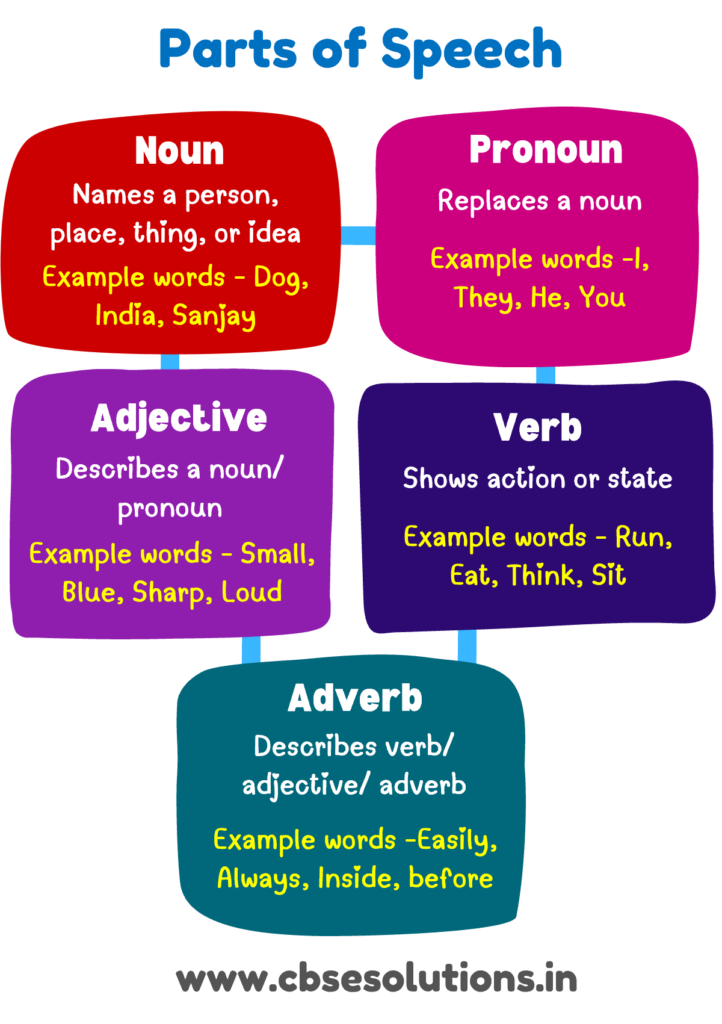
✂️ Basic Parts of Speech
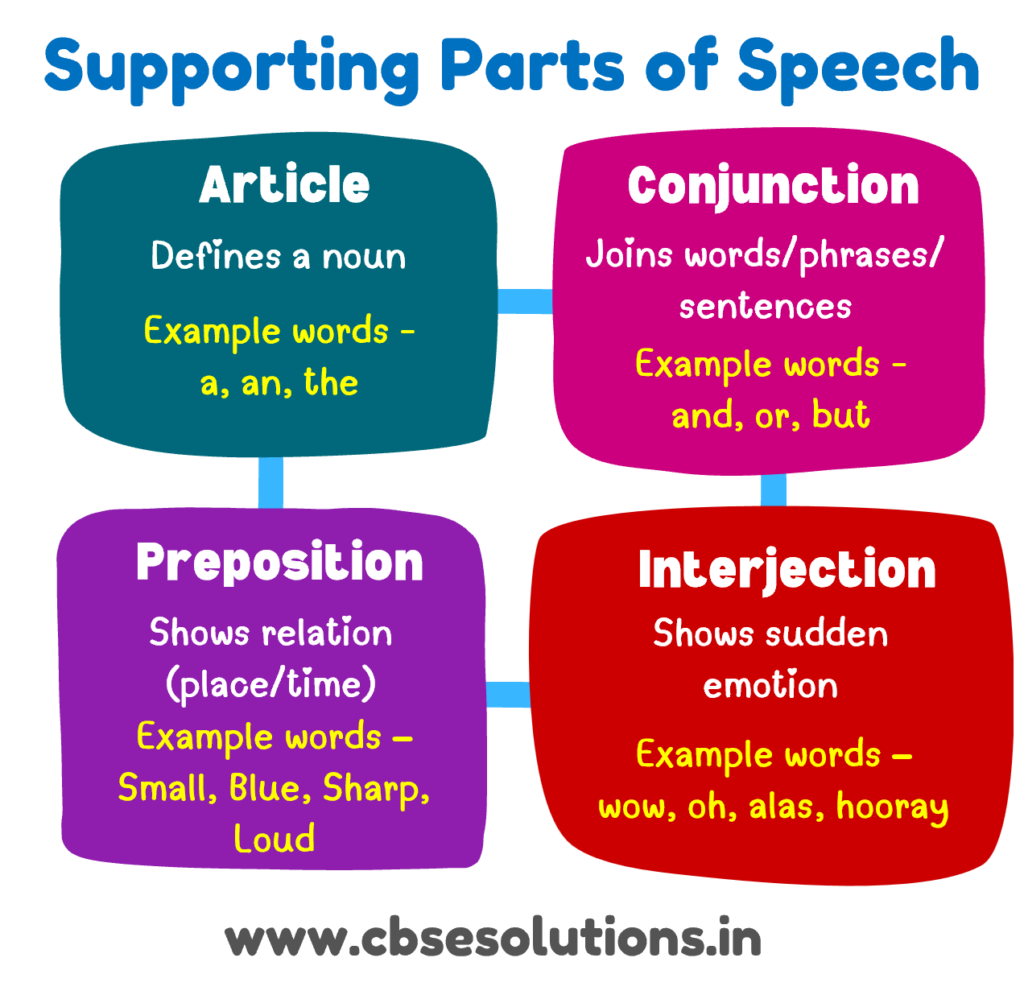
🔩 Supporting parts of speech
Along with main parts of speech, some words are used to connect words, phrases, clauses, or sentences.
Communication Skills Notes Class 10 | Complete Employability Skills Guide
🔴 Session 7: Writing Skills — Sentences
🆎 Parts of a Sentence
- A sentence generally has a subject, verb, and sometimes an object.
- Subject – person/thing performing the action.
- Verb – action in the sentence.
- Object – person/thing receives action.
🗃 Types of Objects
- Direct Object – directly receives the action of the verb.
- Indirect Object – answers “to/for whom” the action is done.
📝 Active and Passive Voice
- Active Voice – the subject does the action.
- Example: Radha is reading a book.
- Passive Voice – the subject receives the action.
- Example: A book is being read by Radha.
🔤 Types of Sentences (Based on Purpose)
- Declarative/Statement – gives information; ends with a full stop.
- Interrogative/Question – asks a question; ends with a question mark.
- Exclamatory – expresses strong emotion; ends with an exclamation mark.
- Imperative/Order – shows command, request, or advice; ends with a full stop or exclamation mark.
📜 Paragraph
- A paragraph is a group of related sentences focused on one common idea or theme.
- Different paragraphs cover different aspects of the same topic.
Class 10 Communication Skills Notes – FAQ
Are Class 10 Communication Skills notes important for CBSE exams?
Yes, Communication Skills, Employability Skills class 10 ka one of the important topic hai aur CBSE board exams me isse every year questions pooche jaate hain.
Are these Class 10 Communication Skills notes based on the latest CBSE syllabus?
Yes, ye notes latest CBSE syllabus and updated exam pattern ke according prepared kiye gaye hain.
How many marks’ questions come from Communication Skills in Class 10 CBSE board exams?
Communication Skills se Employability Skills ke total weightage ke andar questions pooche jaate hain. Exact marks year ke exam pattern par depend karte hain, lekin is unit se MCQs aur short questions regularly aate hain, isliye preparation important hai. generally 2-3 marks ke questions hote hai.
Do these Communication Skills notes cover all exam-important topics?
Yes, in notes me sabhi important topics like – communication methods, verbal communication, non-verbal communication, communication barrier, feedback, 7Cs of communication, parts of speech ko cover kiya gaya hai.
Are Class 10 Communication Skills notes enough for exam preparation?
Yes, Ye notes aapko communication skills of class 10 ki complete understanding dete hai, lekin best results ke liye aapko PYQs aur MCQs ko bhi revise karna chahiye. Aapko class 10 communication skills ke sabhi study material, sample practice paper, MCQs, textbook solutions meri isi website me mil jayenge. Unke links aapko upar menu me aur neeche bhi mil jayenge.
What type of questions can be asked from Communication Skills in CBSE Class 10 exams?
Jyadatar exams me class 10 communication skills se MCQs, short answer questions, and definition-based questions pooche jaate hain. MCQs thode competency based ho sakte hai.
How can these Class 10 Communication Skills notes help in scoring better marks?
Aapko ye communication skills of class 10 ke notes definitely better marks score karne me help karte hai, because isme sabhi topics ko comprehensively, effectively, simple language and point wise prepare kiya gaya hai jo apko minimum time and effort me sabhi concepts ki understanding dete hai.
Can I use these Class 10 Communication Skills Notes for last-minute revision?
Yes, But jyada better hoga ki aap pahle se hi ise prepare kar le.